
Buying an older home can be a good way to get the location, space, and style you want. However, some properties need more work than they appear to need at first. A fresh coat of paint or new kitchen cabinets may hide deeper problems with the roof, plumbing, or foundation.
A home is usually worth renovating when its main structure is in good condition, the repair costs fit your budget, and the finished property will meet your needs. You should check the foundation, roof, electrical system, plumbing, and overall layout before making a decision.
It is equally important to compare the total renovation cost with the home’s expected value after the work is complete. For Palo Alto homeowners, local building rules, property prices, and the home’s original design should be part of this decision.
7 Key Factors to Consider Before Renovating an Older Home
1. Assess the Home’s Structural Condition
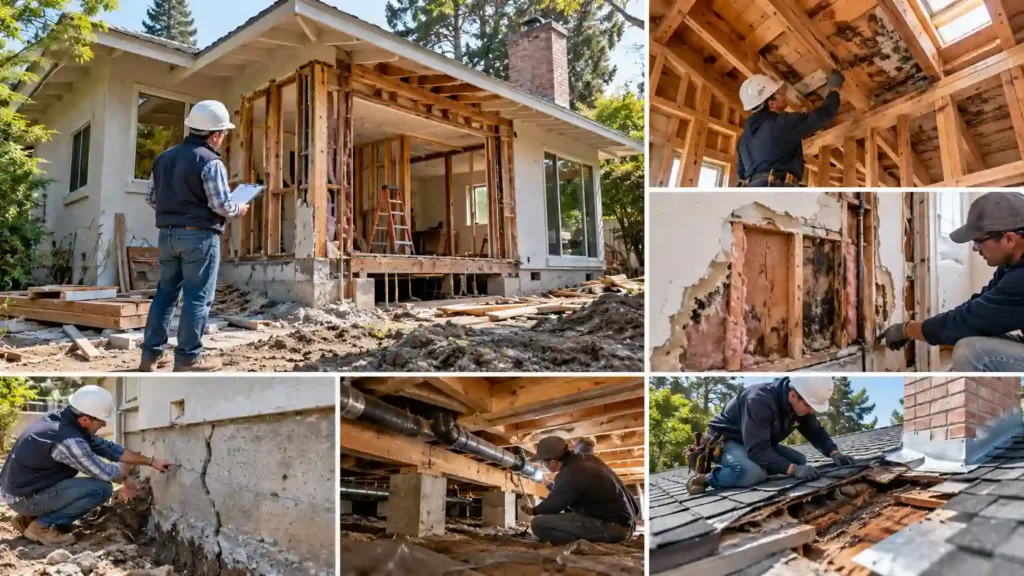
The first step is to check whether the home has a sound structure. Look at the foundation, walls, ceilings, floors, and support beams.
Large cracks, sloping floors, doors that do not close properly, or signs of movement may point to deeper problems. Small cracks can happen as a home settles, but wide or growing cracks should be checked by a structural engineer.
The roof and exterior need attention too. Missing roof materials, water stains, leaks, damaged siding, and poor drainage can lead to costly repairs. If water is collecting near the foundation or entering through windows, these problems should be addressed before cosmetic upgrades begin.
2. Calculate the Total Renovation Cost
A renovation budget should cover more than materials and labor. Include design fees, permits, inspections, waste removal, and any temporary housing costs if you cannot stay in the home during the work.
It is also useful to separate essential repairs from optional upgrades. Fixing a leaking roof, damaged plumbing, or unsafe wiring should come before replacing cabinets or installing premium flooring. This helps you understand how much money is needed to make the home safe and functional.
Older homes can have hidden problems that only appear after work begins. Keep a contingency amount in your budget for unexpected repairs. Setting aside around 10% to 20% is a common planning approach, although the right amount depends on the home’s condition and the work involved.
3. Compare Renovation Costs with the Home’s Potential Value
A home may be worth renovating if the total investment makes sense compared with its likely value after the work is complete. Add the purchase price, renovation costs, and other expenses to understand how much you will have invested.
For example, if a property costs $1.5 million and the planned renovation costs $200,000, your investment will reach $1.7 million before other buying and project expenses. Compare that figure with similar homes in the same Palo Alto area that have a similar size, condition, and features.
Do not rely only on online estimates. Recent property sales can give you a better idea of local values. A real estate agent can help you understand whether the planned improvements are likely to add value or make the property more expensive than similar homes nearby.
4. Inspect the Plumbing, Electrical, and HVAC Systems
Major home systems can affect both your renovation budget and your comfort after moving in. Ask a qualified professional to check the plumbing, electrical setup, and heating and cooling systems before you make a final decision.
Look for leaking pipes, low water pressure, slow drains, water stains, and an ageing water heater. Electrical problems may include outdated wiring, overloaded circuits, loose outlets, or an old electrical panel. These issues can require more work than a simple repair.
The HVAC inspection should cover the heating and cooling equipment, ductwork, controls, and ventilation. Ask for an estimate if any system needs repair or replacement. If several major systems are near the end of their useful life, include those costs when deciding whether the home is worth renovating.
5. Check Whether the Existing Layout Can Be Improved
A home does not always need more space. Sometimes, a better layout can make the existing rooms more useful. Consider how people move between the kitchen, dining area, and living room. Check whether the bedrooms offer enough privacy and whether the home has suitable storage.
Some layout changes are simple, such as improving a doorway, adding storage, or changing the position of kitchen cabinets. Other changes may involve removing walls or moving plumbing and electrical lines. Before removing a wall, confirm whether it supports the structure. A structural engineer may need to assess the work and specify the required support.
Natural light and ventilation matter too. If rooms feel dark or closed off, consider whether better window placement or a more open design could help. These changes should be reviewed alongside the home’s exterior design and local requirements.
6. Consider the Home’s Age and Architectural Style
Older homes may have features that are difficult to find in newer properties, such as original woodwork, large windows, distinctive room layouts, or carefully designed details. These features can give a home character and may be worth keeping during renovation.
Before removing original materials or changing the exterior, consider how the work will affect the home’s overall style. Some updates can improve comfort while keeping the features that make the property special. This is especially important in areas with established architectural styles.
Special Considerations for Eichler Homes in Palo Alto
Palo Alto has many Eichler homes built around mid-century modern design. These homes are known for open layouts, post-and-beam construction, large glass windows, and connections between indoor and outdoor spaces.
Renovating an Eichler home requires care because some original features need specialist attention. For example, certain homes have radiant floor heating pipes within the concrete floor.
Replacing flooring or carrying out work on the slab without checking the heating system could cause damage. Changes to windows, rooflines, or exposed beams should also be reviewed by professionals familiar with this type of home.
7. Understand Local Permits and Energy Requirements
Before starting a renovation in Palo Alto, check whether the planned work needs a building permit. Structural changes, electrical work, plumbing updates, and heating or cooling changes may require permits and inspections. Requirements depend on the type and size of the project.
Permit fees and approval time should be included in your renovation budget and schedule. Starting work without required approvals can lead to delays, extra costs, or problems when selling the property later. Check the current requirements with the City of Palo Alto before work begins.
Check California Title 24 Energy Requirements
California’s Title 24 energy standards may affect certain renovation projects. Depending on the work, requirements can apply to windows, insulation, lighting, heating, cooling, and other parts of the home.
For example, replacing windows or making major changes to the heating and cooling system may involve energy compliance checks or supporting documents.
The exact requirements depend on the project. Ask your contractor or the local building department which rules apply before choosing materials or finalizing the renovation plan.
When Is a Home Worth Renovating?
A home is generally worth renovating when its structure is in good condition, major systems can be repaired or replaced within your budget, and the finished layout will meet your needs. It is also important that the total investment makes sense compared with similar properties in the area.
On the other hand, serious structural damage, several costly system replacements, or a renovation budget that exceeds the home’s likely value may make buying another property a better choice.
For Palo Alto homeowners, the decision should include the home’s architectural style, local permit requirements, and any energy rules that apply. A professional inspection and realistic cost estimate can help you make a more informed choice.
If you are planning to update your kitchen or bathroom, The Kitchen and Bath Company of Palo Alto can help you explore renovation options that suit your home and budget.