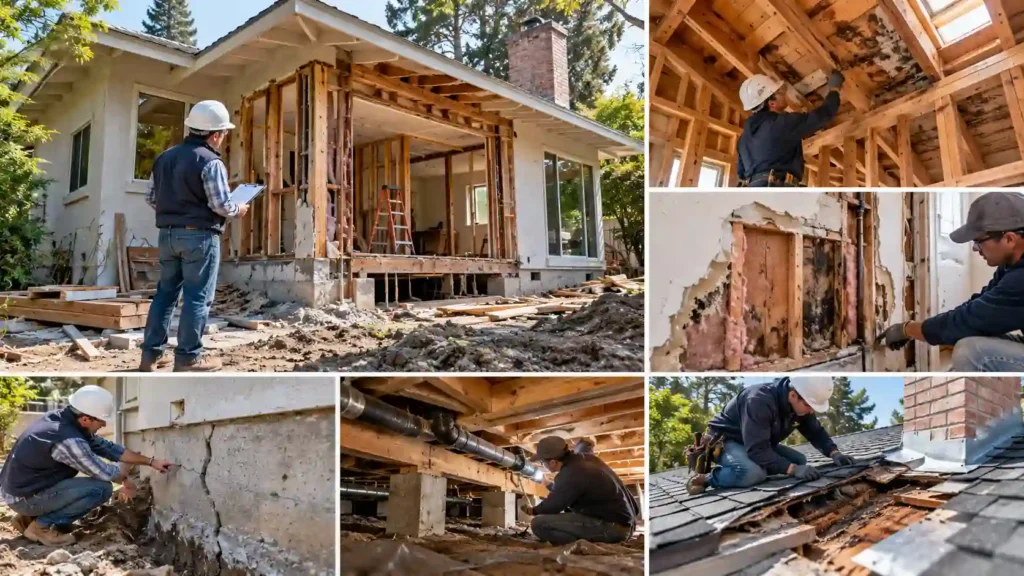

Renovating a room can make a home more useful, comfortable, and attractive, but some rooms cost much more to change than others. The kitchen is usually the most expensive room to renovate because it often needs new cabinets, countertops, appliances, plumbing, electrical work, flooring, and lighting.
Bathrooms can also have high renovation costs because they involve plumbing, waterproofing, tile, fixtures, and skilled labor. In Palo Alto, costs can be higher because of local labor rates, permit needs, and the price of quality materials. The final cost depends on the room size, design, materials, and how much of the existing space needs to change.
Which Room Costs the Most to Renovate?
The kitchen is generally the most expensive room to renovate, especially when the project includes a new layout or major construction work. Unlike a bedroom or living room, a kitchen has several systems working together.
It may require plumbing for sinks and dishwashers, electrical circuits for appliances, gas lines, ventilation, cabinets, countertops, and flooring. A bathroom can come close because of plumbing and waterproofing work.
In a high-cost market such as Palo Alto, homeowners should also consider design fees, contractor labor, permits, demolition, and possible changes to older building systems when setting a budget.
Why Kitchen Renovation Costs So Much
A kitchen has many separate parts that must work together. Cabinets alone can take up a large part of the budget, while countertops, appliances, flooring, lighting, plumbing, and electrical work add more costs.
Changing the kitchen layout can make the project even more expensive because pipes, outlets, gas lines, and ventilation may need to move. Custom cabinets and premium stone can increase the material cost further.
The kitchen also needs careful planning because mistakes can affect several systems at once. A simple update can be affordable, but a full kitchen renovation can become a major home improvement project.
Cabinets Can Take Up a Large Part of the Budget
Cabinets are more than storage. They set the layout of the kitchen and affect how much usable space you have. Stock cabinets can help control costs, while semi-custom and custom cabinets offer more choices but usually cost more.
Cabinet material, door style, hardware, internal storage, and installation all affect the final price. If your existing cabinets are still strong and the layout works well, repainting or refacing them may be an option.
Keeping usable cabinets can free up money for countertops, appliances, lighting, or other improvements that have a bigger effect on the room.
Countertops and Appliances Add More Cost
Countertops are another major expense in many kitchen renovations. Materials such as quartz, natural stone, porcelain, and other premium surfaces can have different prices based on quality, thickness, edge details, and installation.
Appliances can add even more to the budget, especially when replacing several units at the same time. Refrigerators, ovens, cooktops, dishwashers, and ventilation systems need proper sizing and connections.
If appliances are moved, electrical, plumbing, or gas work may be needed. Choosing durable materials and energy-efficient appliances can provide long-term value without adding unnecessary features.
Why Bathrooms Can Also Be Expensive
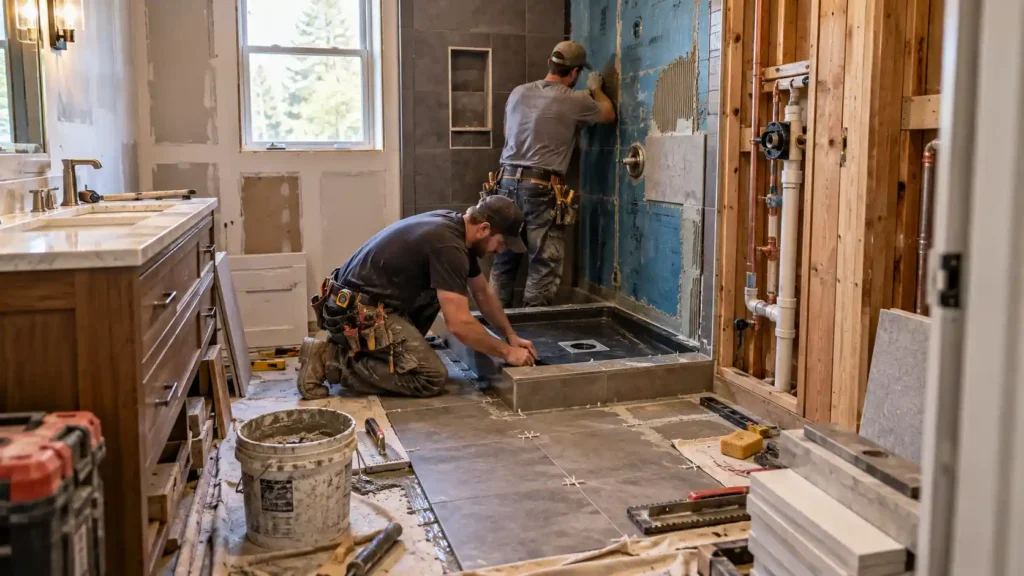
Bathrooms are usually smaller than kitchens, but their renovation costs can still be high. This is because a bathroom depends heavily on plumbing, waterproofing, tile work, electrical systems, ventilation, and fixtures. Moving a toilet, shower, or sink can require changes to drainage pipes and water lines.
Waterproofing is especially important because moisture can damage walls, floors, and structural materials if the work is not done correctly.
A basic bathroom update may only require new fixtures and finishes, while a full bathroom renovation can involve demolition, new plumbing, tile installation, lighting, and a complete shower or tub replacement.
Plumbing Changes Can Raise the Budget
Keeping the existing plumbing locations is one way to control bathroom renovation costs. Moving a toilet or shower may look like a small design change, but it can require new supply lines and drain connections.
Drainage must have the correct slope so water can flow properly. The contractor may also need to open walls or floors to reach existing pipes.
If older plumbing needs replacement, the project can grow further. This is why the bathroom layout should be planned before demolition begins. A good design can improve the space without requiring unnecessary changes to the plumbing system.
Waterproofing Is a Critical Cost
Waterproofing is one of the most important parts of a bathroom renovation. Areas around showers, tubs, and wet floors need proper moisture protection before tile or other finishes are installed.
A waterproof membrane helps stop water from reaching the wall structure and subfloor. Cutting corners in this part of the project can lead to leaks, mold, damaged drywall, and expensive repairs later.
Homeowners should ask contractors about the waterproofing system they plan to use. Spending money on proper installation can protect the renovation and reduce the risk of hidden water damage.
How Room Size Affects Renovation Cost
Room size has a direct effect on the amount of material and labor needed, but it is not the only factor. A large kitchen may need more cabinets, flooring, countertops, and lighting than a small kitchen.
However, a small kitchen with a complex layout can still be expensive if plumbing, electrical, and structural work is involved. The same applies to bathrooms.
A larger bathroom needs more tile and flooring, but moving plumbing or installing a custom shower can have a bigger effect on the total price. Project complexity often matters as much as room size.
Full Renovation vs. Cosmetic Update
The biggest difference in renovation cost often comes from the scope of work. A cosmetic update may involve painting, new hardware, lighting, flooring, or replacing a few fixtures. A full renovation can include demolition, new cabinets, plumbing, electrical work, structural changes, new surfaces, and custom features.
If the room already has a good layout, a cosmetic or partial renovation may provide better value. You do not always need to remove everything to make a room feel new. Keeping useful parts of the existing space can reduce both construction time and material waste.
Kitchen vs. Bathroom Renovation Costs
Both kitchens and bathrooms can be expensive, but the cost comes from different areas. Kitchens usually have more cabinets, larger countertops, several appliances, and more floor space.
Bathrooms have less floor area but often require more detailed waterproofing, tile, and plumbing work. A kitchen renovation can become especially expensive when the layout changes or custom cabinets are required.
A bathroom can reach a high cost when a new shower, plumbing layout, waterproofing system, and premium tile are added. Comparing the scope of work is more useful than looking only at the size of each room.
| Renovation Factor | Kitchen | Bathroom |
| Cabinets | Major cost | Usually limited |
| Countertops | Major cost | Smaller vanity surface |
| Plumbing | Moderate to high | Often high |
| Electrical | Often high for appliances | Moderate |
| Appliances | Major cost | Usually limited |
| Waterproofing | Limited | Major concern |
| Tile | Moderate | Often significant |
| Layout changes | Can be expensive | Can be expensive |
| Custom work | Cabinets and islands | Showers, vanities, storage |
| Labor | High | High due to detailed work |
| Typical complexity | High | High |
The table shows why the kitchen is often the most expensive room overall, while the bathroom can have a high cost per square foot. The final budget still depends on the materials, labor, room condition, and design.
Living Rooms Usually Cost Less to Renovate
Living rooms are often less expensive because they do not normally require extensive plumbing or specialized waterproofing. A renovation may include new flooring, paint, lighting, built-in storage, doors, trim, or electrical outlets.
If walls are moved or structural changes are needed, costs can rise. However, most living room updates do not involve the number of systems found in a kitchen or bathroom.
This makes the room easier to renovate in stages. Homeowners can start with paint and flooring and later add lighting, storage, or other features as their budget allows.
Bedrooms Are Usually More Affordable
Bedrooms generally have fewer systems to change, which makes them one of the less expensive rooms to renovate. Common improvements include flooring, paint, lighting, doors, closets, and built-in storage.
If the room needs a new electrical circuit, insulation, windows, or structural changes, the cost can increase. Still, most bedroom renovations do not require plumbing or waterproofing.
A well-planned bedroom update can therefore provide a noticeable improvement without the high cost of a full kitchen or bathroom renovation. Keeping the existing layout is one of the easiest ways to control the project budget.
Structural Changes Can Increase Any Renovation Cost
The room itself is not always the biggest cost factor. Structural work can increase the price of almost any renovation. Removing a load-bearing wall, changing ceiling structures, enlarging windows, or adding new openings may require engineering and additional permits.
Electrical panels, plumbing lines, HVAC ducts, and insulation may also need changes. These tasks require skilled workers and careful planning.
Before removing walls or changing the layout, homeowners should determine whether the structure can safely support the proposed design. A contractor or qualified professional can help identify these issues before construction begins.
Permits Can Affect the Final Renovation Budget
Permits may be required for certain remodeling work, especially when the project changes plumbing, electrical systems, structural elements, or the building layout. Permit needs vary by project and location.
In Palo Alto, homeowners should check local building requirements before starting construction. Planning early can help avoid delays and unexpected costs.
A contractor can often help identify which permits may be needed, but homeowners should still understand what the project includes. Starting work before getting required approval can create problems later, especially if inspections or changes are required.
Material Choices Have a Big Impact on Cost
Two rooms with the same size can have very different renovation costs because of material choices. A kitchen with standard cabinets, simple countertops, and mid-range appliances will have a different budget from one with custom cabinets, premium stone, and high-end appliances.
The same applies to bathrooms. Large-format tile, natural stone, custom glass, designer fixtures, and specialty lighting can quickly raise costs. Good planning means deciding where premium materials are worth the money. Spend more on areas that affect durability, safety, and daily use rather than adding expensive details that offer little practical benefit.
How to Reduce the Cost of a Kitchen Renovation
You do not need to remove every part of a kitchen to make it look and work better. Keeping the current layout is one of the most useful ways to control costs. You can also consider refinishing cabinets if they are still in good condition, choosing standard cabinet sizes, and comparing countertop materials.
Avoid moving plumbing or gas lines unless the current layout is a major problem. Another option is to renovate in stages. For example, you could update cabinets and countertops first and replace appliances or flooring later. A clear budget helps keep optional upgrades from taking over the project.
How to Reduce the Cost of a Bathroom Renovation
Bathroom costs can also be controlled with smart planning. Keeping the toilet, sink, and shower in their current positions can reduce plumbing work. Choosing standard-size fixtures can make installation easier and may reduce material costs.
You can also select durable tile without choosing the most expensive design. Good ventilation should remain a priority because it helps control moisture and protect the room.
If the existing vanity is in good condition, replacing the hardware or countertop may be enough to refresh it. The goal should be to improve the room without paying for changes that do not solve a real problem.
Which Room Should You Renovate First?
The best room to renovate first depends on your needs and the condition of the home. If the kitchen has poor storage, damaged cabinets, outdated systems, or an unsafe layout, it may deserve priority.
If a bathroom has leaks, poor waterproofing, or damaged plumbing, those problems should be addressed quickly. Rooms with safety or water issues should come before cosmetic improvements.
If all systems are working well, start with the room that affects your daily life the most. A clear priority list can help you use your renovation budget where it will have the greatest effect.
Final Thoughts
The kitchen is usually the most expensive room to renovate because it combines cabinets, countertops, appliances, plumbing, electrical work, flooring, lighting, and skilled labor. Bathrooms can also be costly because of plumbing, waterproofing, tile, and detailed installation work.
Living rooms and bedrooms are often more affordable because they have fewer complex systems. The final cost depends on the room’s condition, size, layout, materials, and the amount of structural work involved. Before starting, create a detailed plan, compare material choices, and leave room in your budget for unexpected construction issues.
If your kitchen or bathroom needs an update, Kitchen & Bath Remodeling for Palo Alto can help you plan a renovation that fits your home, needs, and budget. Get professional guidance on your layout, materials, and project scope before construction begins.